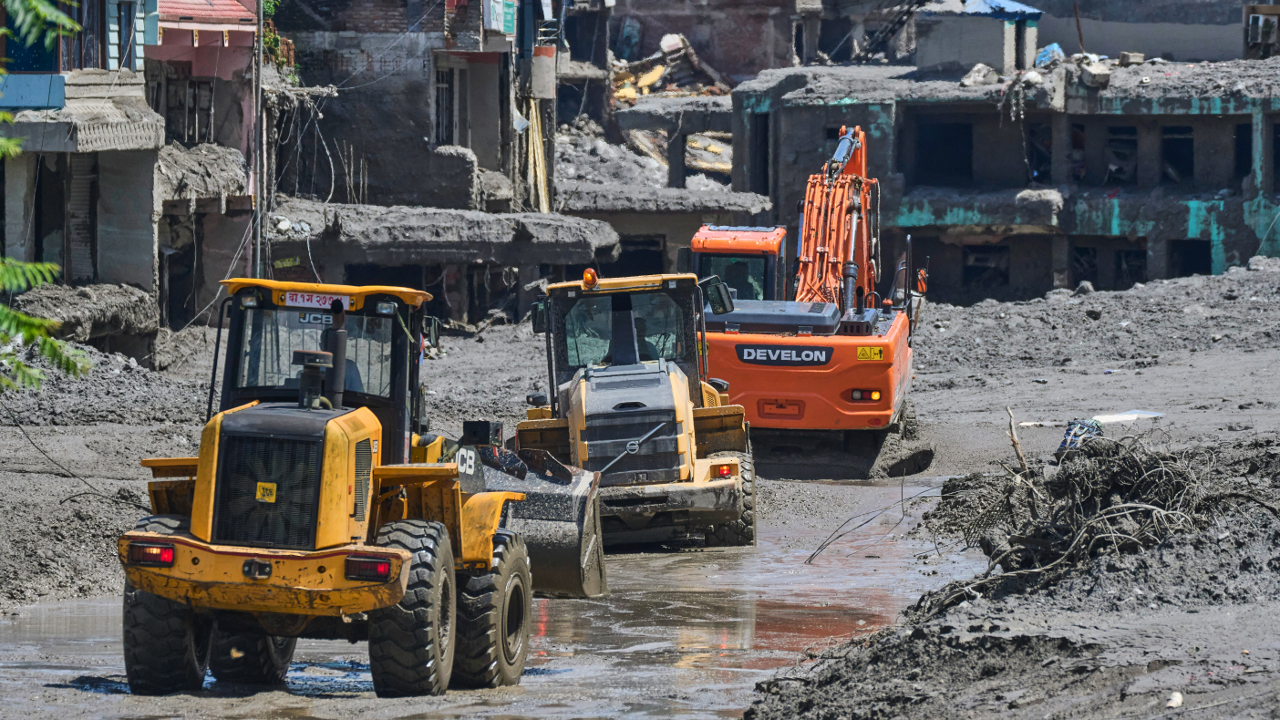
The catastrophic floods that have devastated Nepal and Tibet were triggered by a massive glacier collapse and debris flow, according to the U.S. Geological Service (USGS). The USGS initially attributed the cause of the mudslides to a 4.4 magnitude earthquake, but later updated its analysis after reviewing data from nearby seismic stations, long period seismic waves, and satellite imagery. This data suggested that no earthquake had occurred.
Climate experts at the Kathmandu-based International Centre for Integrated Mountain Development have concluded that the flash floods were likely triggered by a glacial avalanche. They pointed to hydrological observations indicating the exceptional speed and magnitude of the flood wave, with water levels on the Trishuli River rising by as much as 27 feet in just half an hour.
The disaster has left more than 1,300 people missing, with many of them being foreigners and pilgrims. Rescue teams are working to locate those who are still unaccounted for, but their efforts are being hindered by the destruction of dozens of bridges and nearly 25 miles of roads. The Nepalese army has been using helicopters to rescue people from flood-hit areas, with over 100 people being rescued so far.
The floods have also had a significant impact on the local community, with around 1,200 people being displaced from at least three villages. The Nepal Red Cross Society has shifted its focus to large-scale relief operations, with chairman Bishal Kumar Bhandari stating that their priority is to provide aid to those affected by the disaster.
The disaster highlights the risks posed by increasingly unstable Himalayan ice to communities, infrastructure, and water supplies in one of the world's most densely populated regions. A similar flash flooding event occurred in August 2025, when high temperatures caused a glacial lake in Tibet to overflow, killing nine people and damaging critical infrastructure.
NTC Report coverage is based on reporting from the original publisher.
View original reporting →