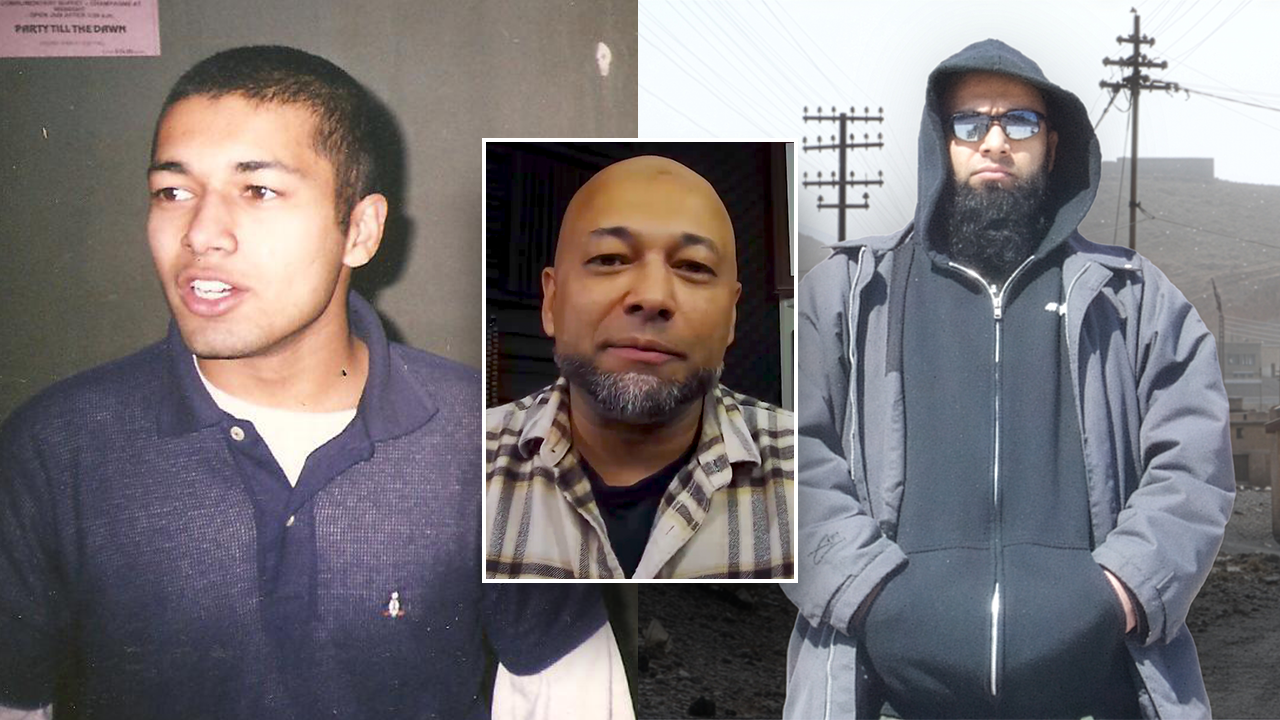
Mubin Shaikh, a former extremist who was radicalized by the Taliban, has spoken out about the process of radicalization and his subsequent work as a counter-terrorism specialist for the United States and Canada.
Shaikh, who was radicalized after a house party where he was guilt-tripped into thinking he had dishonored his family, began to travel to countries such as India, Syria, and Pakistan, where he was further radicalized by the Taliban. He has stated that one of the key indicators of radicalization is what he calls "pathway to violence behaviors," including reconnaissance on targets and researching potential attacks.
However, Shaikh's views began to change after the September 11th attacks in 2001. He traveled to Syria to research Islamic studies in depth and spent two years studying Arabic and Islamic studies. This period of study marked the beginning of his de-radicalization.
When Shaikh returned to Canada, he became aware of a fellow classmate and peer who had been arrested on terrorism charges. Shaikh reached out to the Canadian Security Intelligence Service (CSIS) and was recruited as an undercover operative in counter-terrorism efforts.
Shaikh has since worked with the US government and the coalition against ISIS, participating in anti-ISIS activities and operations from 2012 to 2020. He now works as an exit peer specialist for Parents for Peace, a nonprofit organization that fights radicalization and extremism by intervening with individuals before it's too late.
Shaikh has emphasized the importance of recognizing the signs of radicalization, including the "pathway to violence behaviors" he mentioned earlier. He has also highlighted the positive outcomes of de-radicalization, saying that individuals who leave extremist ideologies often experience significant improvements in their personal lives.
NTC Report coverage is based on reporting from the original publisher.
View original reporting →